
The Mistake Almost Everyone Makes First
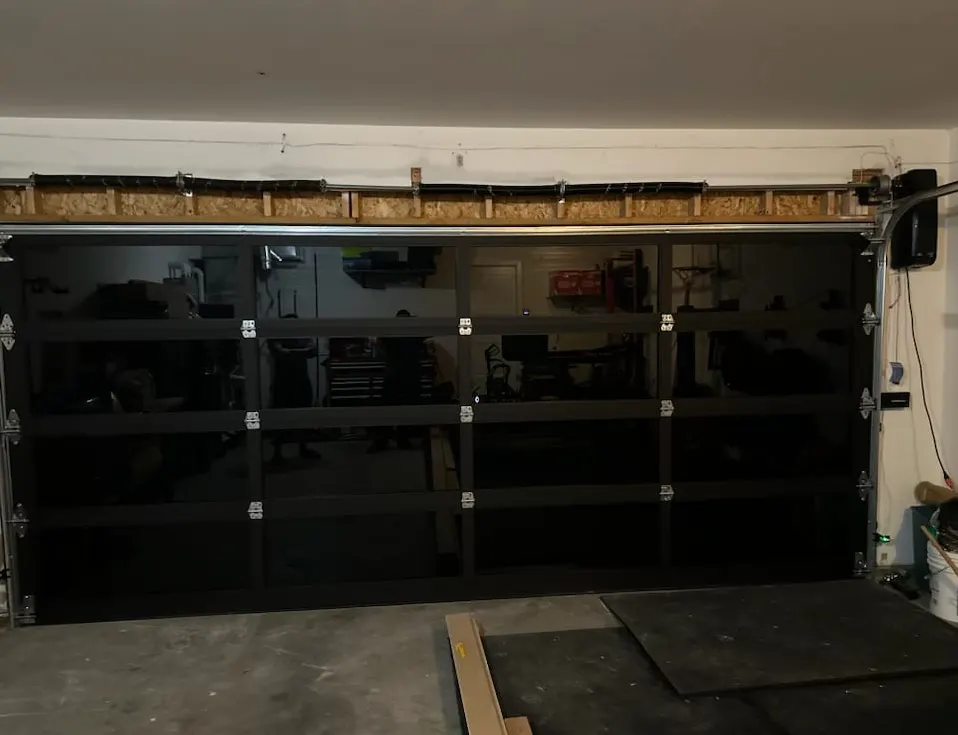
Here's how it usually goes: one spouse falls in love with a carriage-style door they saw online, maybe in a color that doesn't match a single other house on the street, and orders it — or at least gets a quote and starts picking out window inserts. It's the fun part. Paint chips and door styles feel like progress. Permits and codes feel like paperwork, so they get pushed to "we'll figure that out later."
The problem is that "later" is exactly backwards. HOA approval, building permits, and Florida's wind-load requirements are three separate things, and each one can override a decision you already made and already paid for. Picking the pretty door first is tempting because it's the enjoyable step, but it's also the most likely way to end up re-ordering a door, paying a restocking fee, or tearing out hardware that doesn't meet code.
Three Different Rules, Three Different Referees
Part of the argument in most households happens because people assume these are all the same approval process. They're not, and each one is checking for something different.
HOA or Architectural Review Rules
If the property is in a community with a homeowners association, there's usually an architectural review step that covers appearance only: door style, panel design, color, and whether window inserts are allowed. HOAs generally don't care about wind ratings, gauge of steel, or how the door is engineered — they care about whether it matches the look the community has approved. Skipping this step, even for a straightforward swap, can mean a violation notice after the door is already installed.
Building Permits
A garage door is a structural opening in the wall of the house, not just an accessory like a patio umbrella. Replacing one is typically treated as a permitted job by the local building department, separate from the HOA's sign-off on looks. A permit review checks things like whether the door and its anchoring are documented to handle the structural loads required for the house's location and wind zone. This step exists independently of whatever the HOA has approved — a building department doesn't care that the color matches the shutters, and an HOA doesn't review engineering documents.
Wind-Load Code
This is the one that surprises people most, because it's invisible once the door is installed. Florida's building code requires garage doors in many areas to carry a wind-load rating matched to the wind speed zone the home sits in. That rating comes from how the door is reinforced — track gauge, strut placement, end hardware — and it has to be documented, usually with a label or printed certification from the manufacturer. A door can be HOA-approved on looks and still fail to meet the wind-load documentation a permit reviewer needs to see.
Why the Three Can Disagree
This is where most households' arguments actually come from. One spouse says "the HOA approved it, we're fine," while the other says "the contractor says it needs an engineering letter for the permit." Both can be right at the same time, because they're talking about two different approvals. A heavier, higher-wind-rated door might need bracing or a different track system than the lightweight version that got the HOA's blessing on color alone. Reconciling the two sometimes means a slightly different model than the one that was originally picked out, or additional hardware that wasn't part of the first conversation.
What This Means for the Timeline and the Budget
Doors built for higher wind-load ratings cost more than base models — national ranges vary widely by size, material, and insulation, so get a specific quote rather than assuming a number. They can also limit which styles and window options are available, since more glass or lighter panels can work against the reinforcement needed. On the timeline side, permit review adds time that picking a door off a showroom floor doesn't: plan for that step before setting an installation date, especially heading into storm season when demand for wind-rated doors tends to climb.
Local Conditions Worth Factoring In
Afternoon humidity and salt air in this part of Florida push hardware toward corrosion faster than it would inland, so galvanized or coated tracks and fasteners are worth the small upcharge even if they're not required by code. Heat and moisture swings also cause wood or composite panels to swell over time, which is a separate issue from wind rating but worth discussing in the same conversation, since it affects which material makes sense for the house.
Settling the Argument
The order of operations that avoids most of this friction: check the HOA's architectural guidelines first for what's allowed in terms of look, then confirm with the local building department whether a permit and wind-load documentation are required for the replacement, and only then finalize the specific door model. A door that satisfies all three doesn't always look exactly like the one from the first online search, but it's the one that actually gets installed without a second trip.
When to Call Gibsonton Garage Door Pro
If there's disagreement over what a specific door needs to meet code, or the permit process feels like a guessing game, that's exactly the point to bring in a local technician rather than keep debating it at home. Gibsonton Garage Door Pro handles Garage Door Installation & Replacement with wind-load documentation sorted out as part of the job, and can also advise on Garage Door Opener Installation if the replacement includes upgrading the opener at the same time. We know what the local wind zone requires and can help choose a door that satisfies both looks and code without back-and-forth.
If a garage door replacement in Gibsonton, FL is on the table, call Gibsonton Garage Door Pro before a single door gets ordered — it's the easiest way to settle the argument for good.